Steve's
SHOTS
HomeExplore

Welcome to Steve's Shots, a wildlife and nature photography gallery. These are real moments; no staging, no filters, just what showed up. I hope you enjoy. If you do, share with a friend!

Weekly SpotlightHandpicked by Steve
Weekly Spotlight photo
R
rookersteve
0
0
rookersteve

rookersteve

23 days ago

Yellow belly sapsucker head and shoulder shot. Males have a red mark on the back of the head.
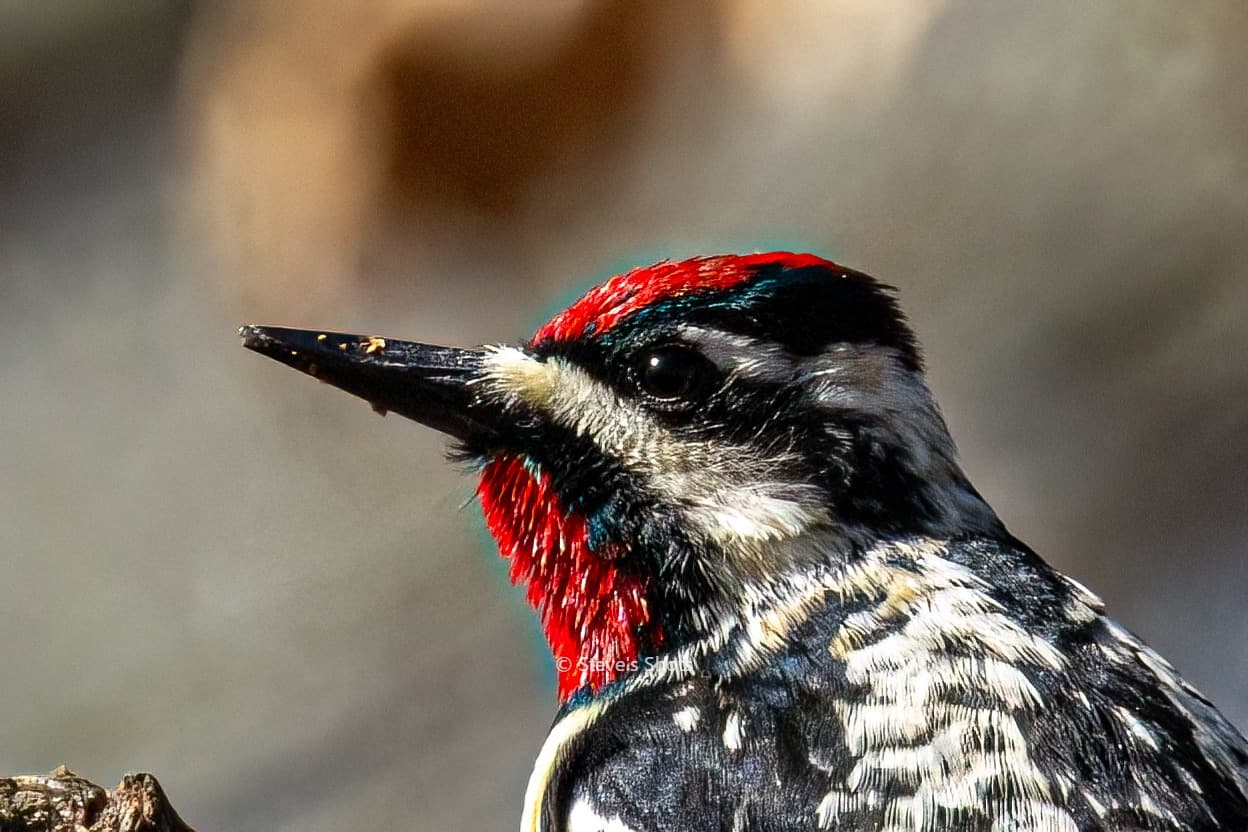
Yellow belly sapsucker head and shoulder shot. Males have a red mark on the back of the head.
71
rookersteve

rookersteve

25 days ago

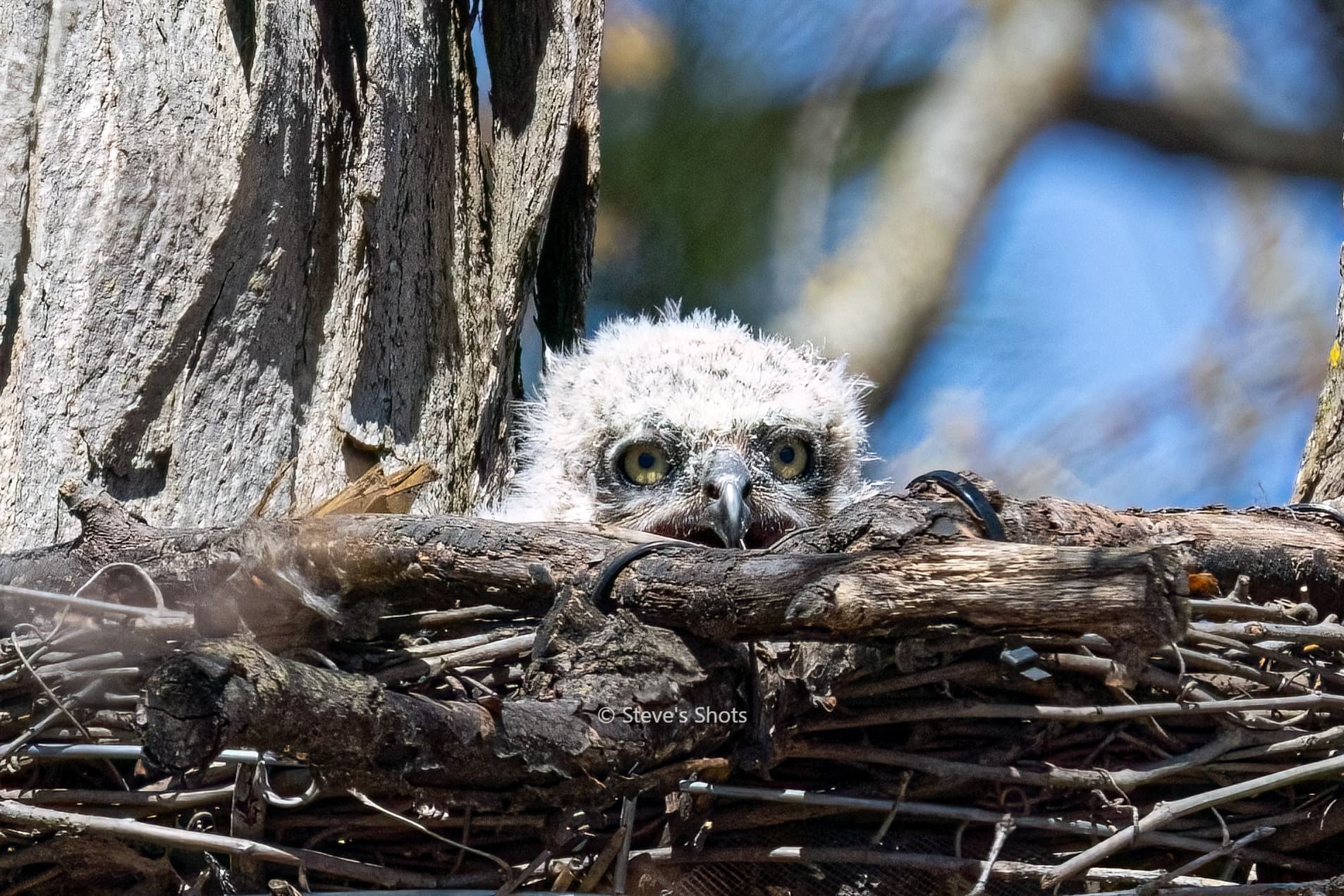
peeking over the edge of the nest

peeking over the edge of the nest
72
rookersteve

rookersteve

25 days ago

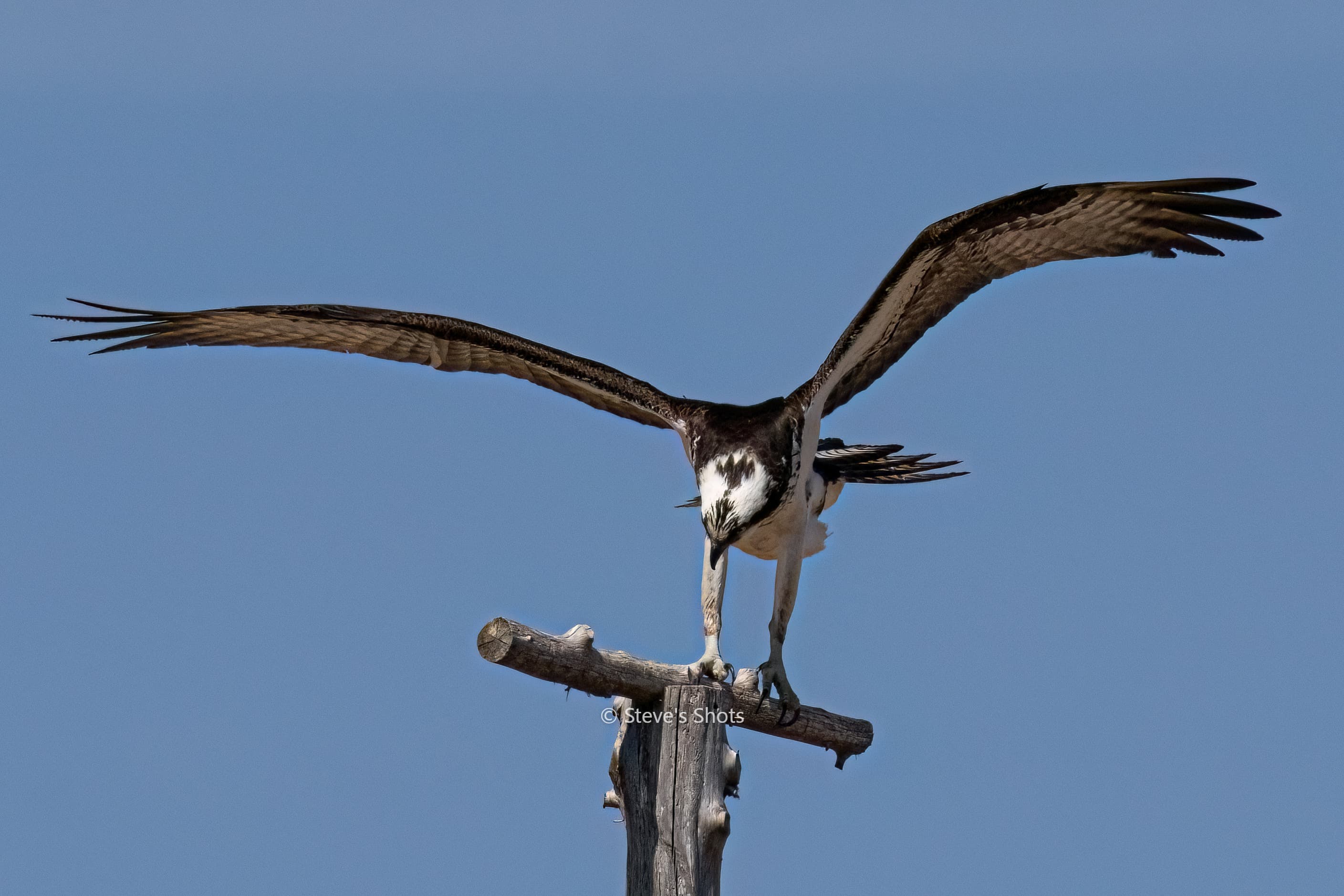
An Osprey landing at home

An Osprey landing at home
68
rookersteve

rookersteve

25 days ago

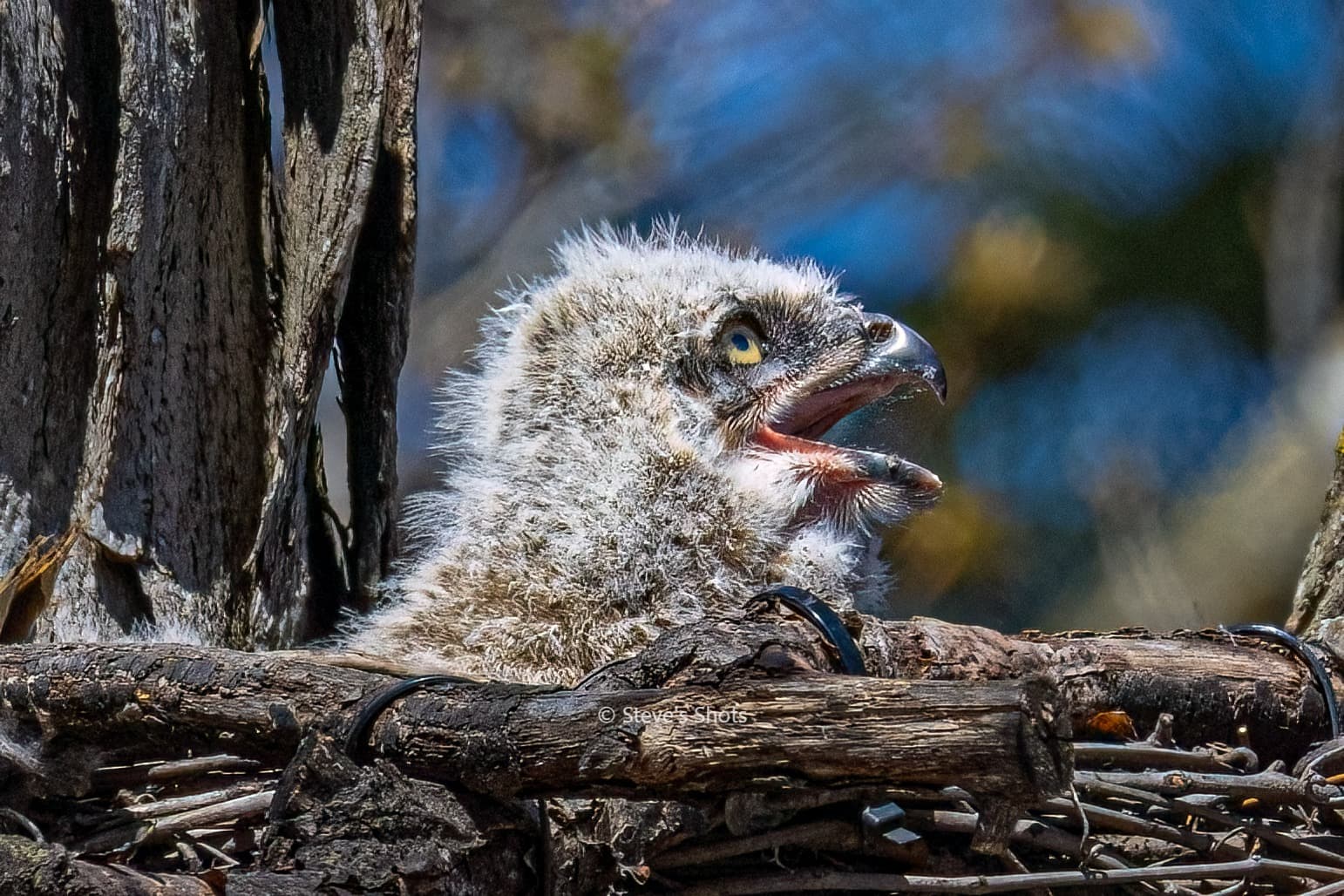
an owlet sing for their supper

an owlet sing for their supper
68
rookersteve

rookersteve

about 1 month ago

Swimming with the Coots was a Pied‑Billed Grebe gliding across the water. The thick, pale bill with a dark vertical band is the giveaway. That “pied bill” is unique among North American waterbirds. The bird’s compact, rounded body and short neck match grebe proportions. They often sit low in the water. This is a young one. They’re common across much of North America in ponds, marshes, and quiet lakes. Expert divers — they sink quietly rather than taking off when startled. Their call is surprisingly loud and almost laughing, which feels at odds with their shy nature. The dark brown plumage with subtle shading is typical for this species outside of breeding extremes.
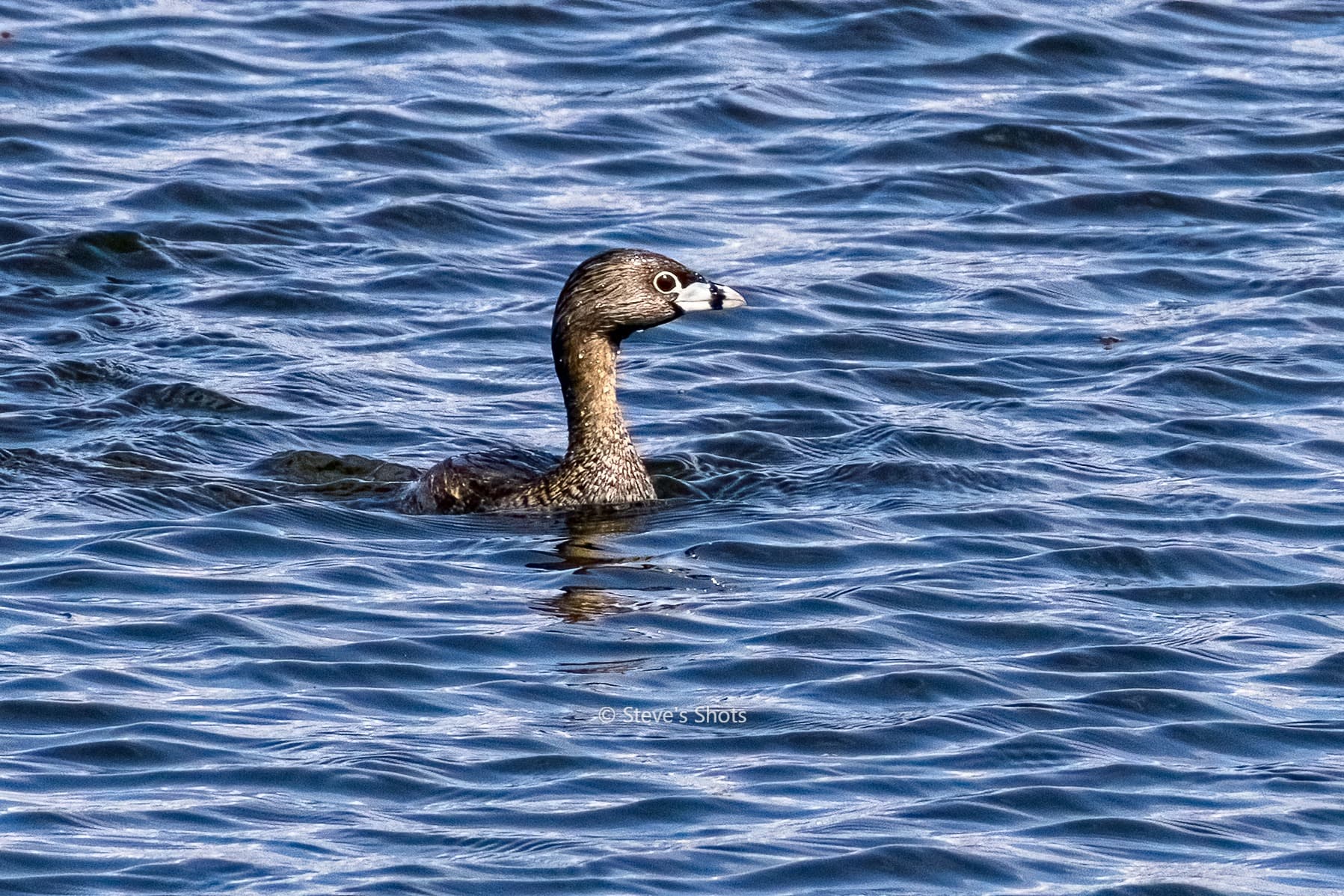
Swimming with the Coots was a Pied‑Billed Grebe gliding across the water. The thick, pale bill with a dark vertical band is the giveaway. That “pied bill” is unique among North American waterbirds.
The bird’s compact, rounded body and short neck match grebe proportions. They often sit low in the water. This is a young one.
They’re common across much of North America in ponds, marshes, and quiet lakes. Expert divers — they sink quietly rather than taking off when startled. Their call is surprisingly loud and almost laughing, which feels at odds with their shy nature.
The dark brown plumage with subtle shading is typical for this species outside of breeding extremes.
75
rookersteve

rookersteve

about 1 month ago

Great Horned Owl owlet. Found the family over in the Richfield. This owlet was keeping an eye on me.
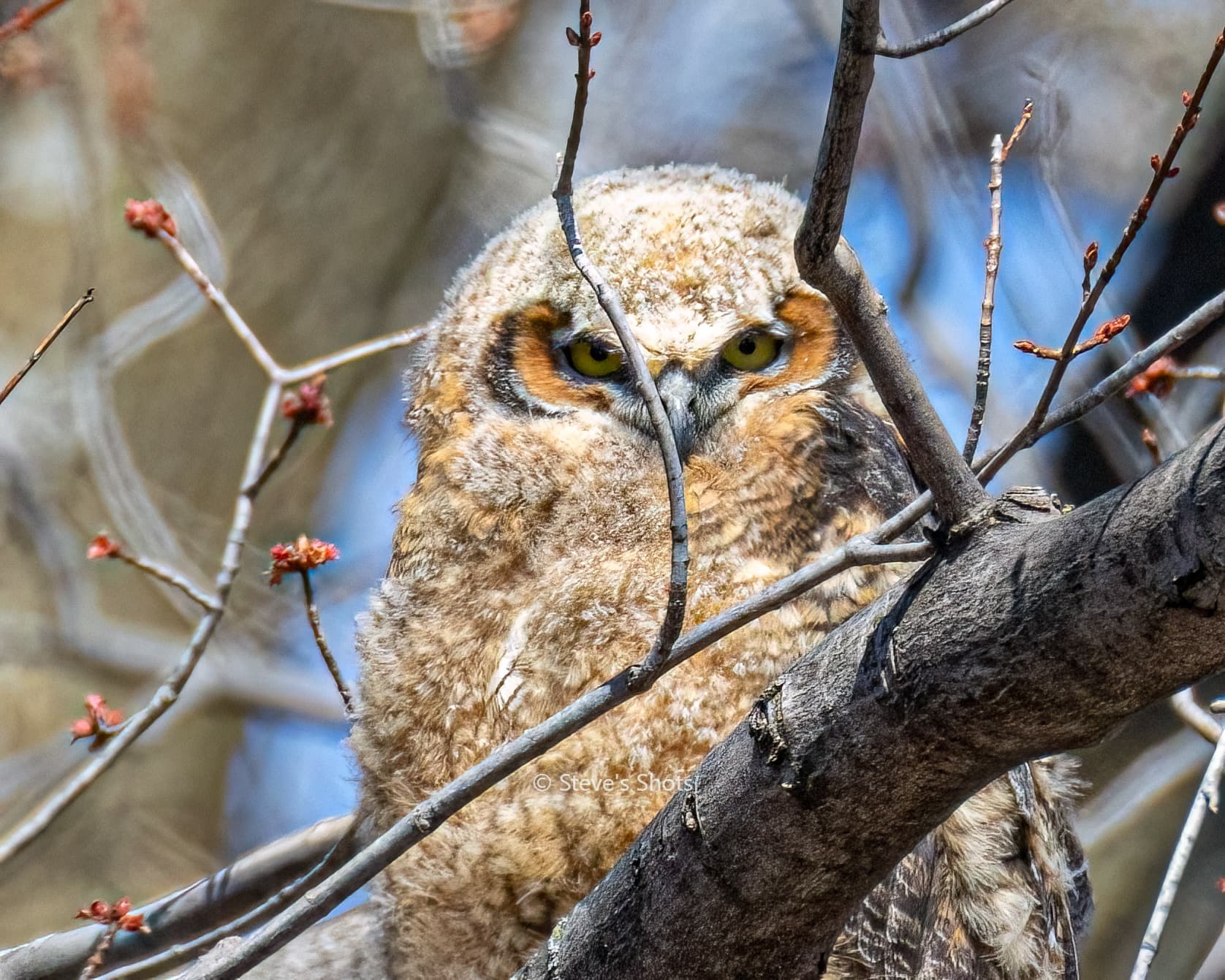
Great Horned Owl owlet. Found the family over in the Richfield. This owlet was keeping an eye on me.
84
rookersteve

rookersteve

about 1 month ago

Twin Cities

This is a pair of wood ducks. The male is easy to identify with its bright colors
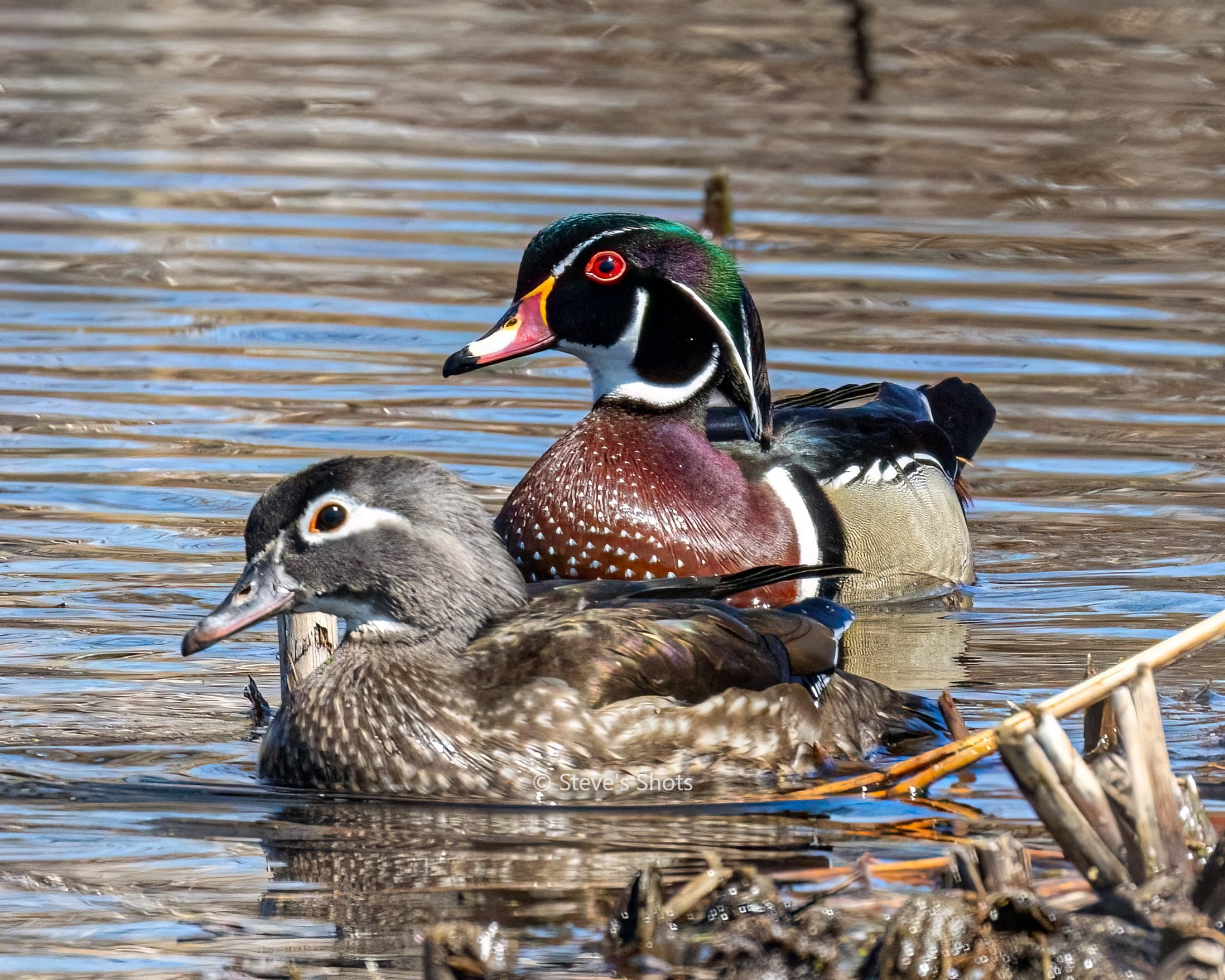
This is a pair of wood ducks. The male is easy to identify with its bright colors
86
rookersteve

rookersteve

about 1 month ago

I have been trying to find owls all spring- I was lucky enough to make friends with a few other photographers who pointed me to the right area to look and 1 who waved me over while he was taking pictures. This is a Great Horned Owl, trying to take a nap during the mid-day. It allowed us to step up close (10 yards).
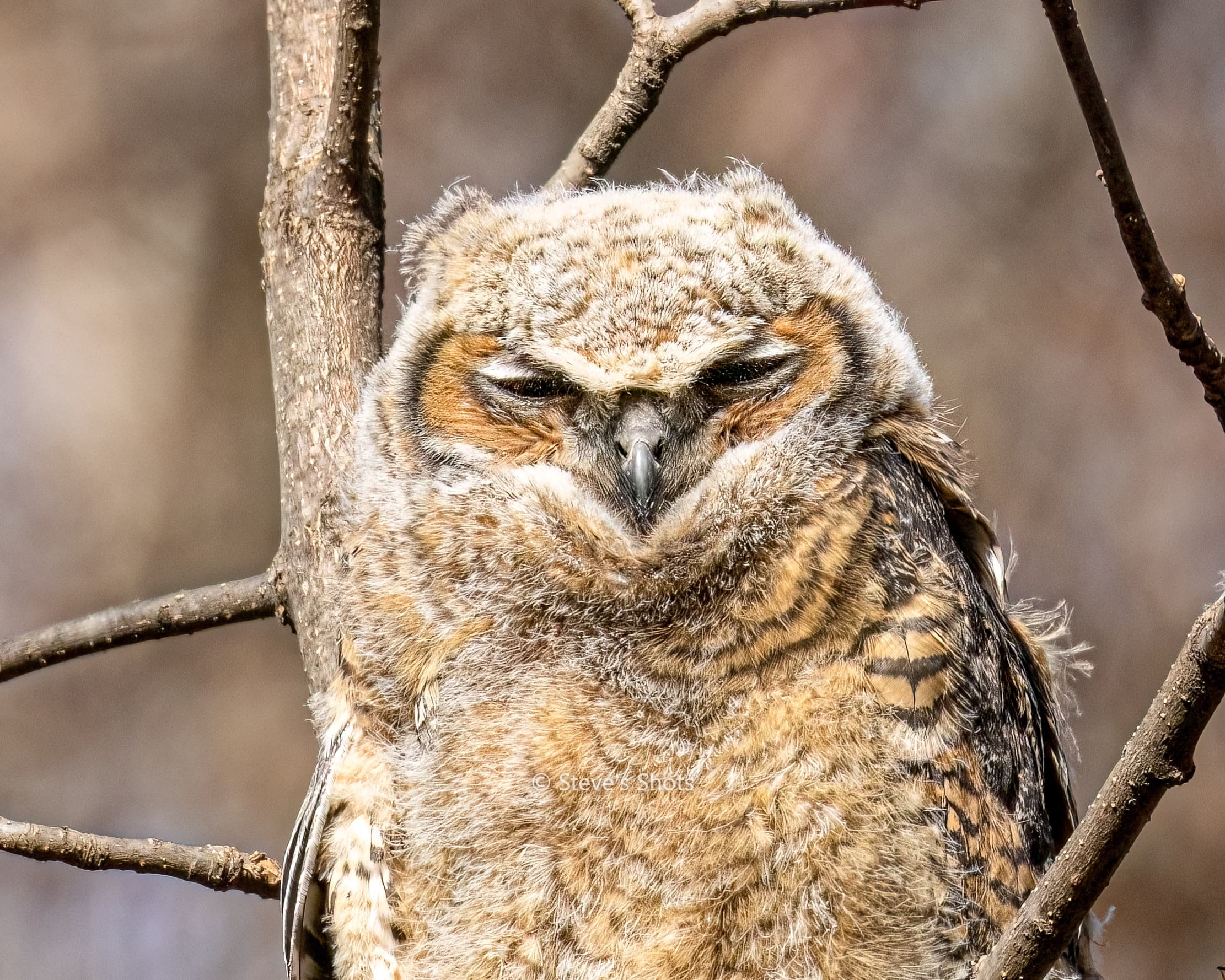
I have been trying to find owls all spring- I was lucky enough to make friends with a few other photographers who pointed me to the right area to look and 1 who waved me over while he was taking pictures. This is a Great Horned Owl, trying to take a nap during the mid-day. It allowed us to step up close (10 yards).
105
rookersteve

rookersteve

about 1 month ago

This is a common Grackle. A small colony has taken up residence in the evergreens behind the house. Wonderful colors, but bullies! They have taken over the bird feeders and eat like they haven't eaten in weeks. I think they have spooky eyes.
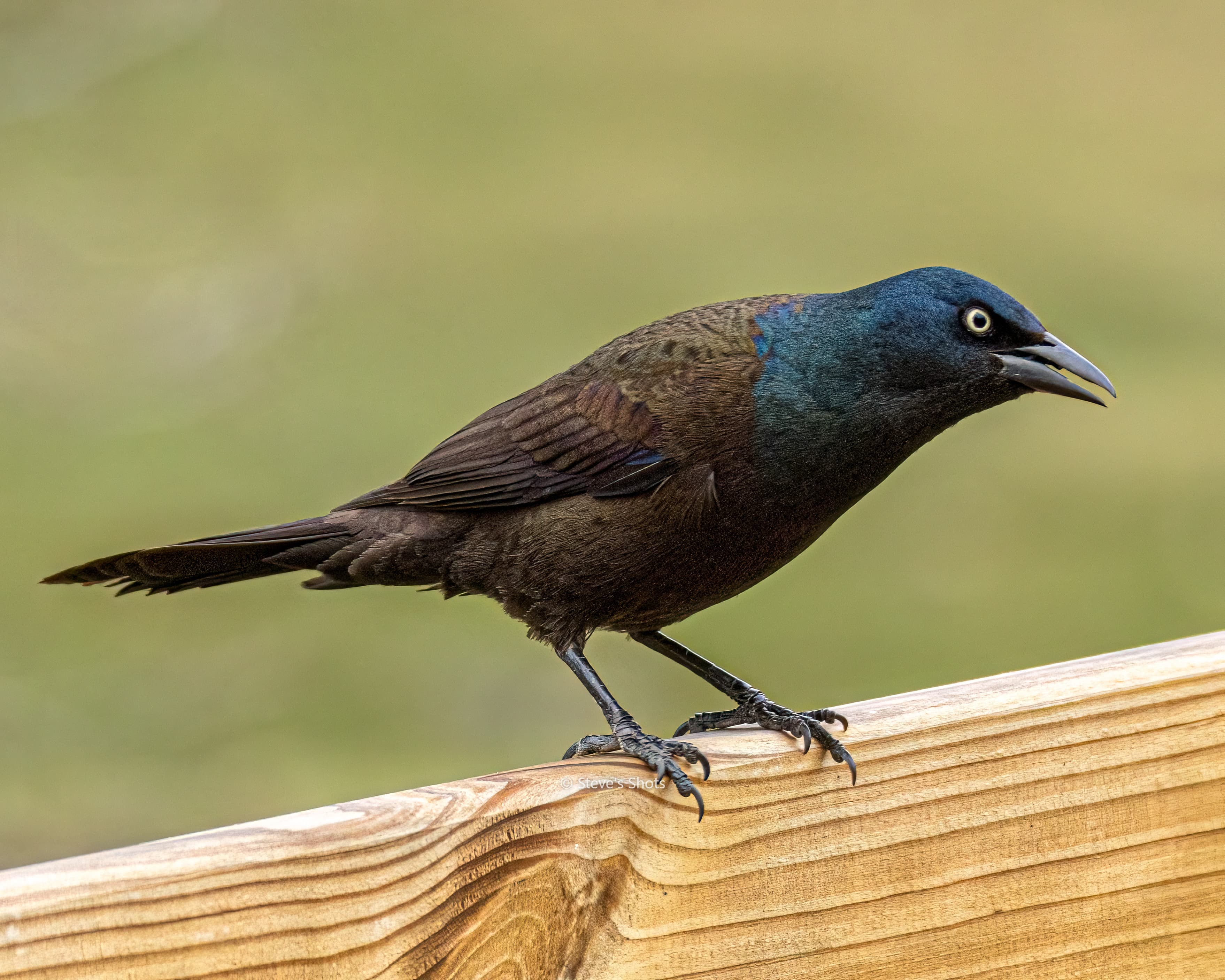
This is a common Grackle. A small colony has taken up residence in the evergreens behind the house. Wonderful colors, but bullies! They have taken over the bird feeders and eat like they haven't eaten in weeks. I think they have spooky eyes.
101
rookersteve

rookersteve

about 2 months ago

During the breeding season, when swans are forming or reinforcing their lifelong pair bonds, they engage in elaborate courtship rituals. One of the most visible is wing-spreading, where the male (or sometimes the female) raises and fans out the wings, often while facing the partner. This behavior is part of a broader set of displays that can include head-dipping dances, synchronized movements, and soft vocalizations
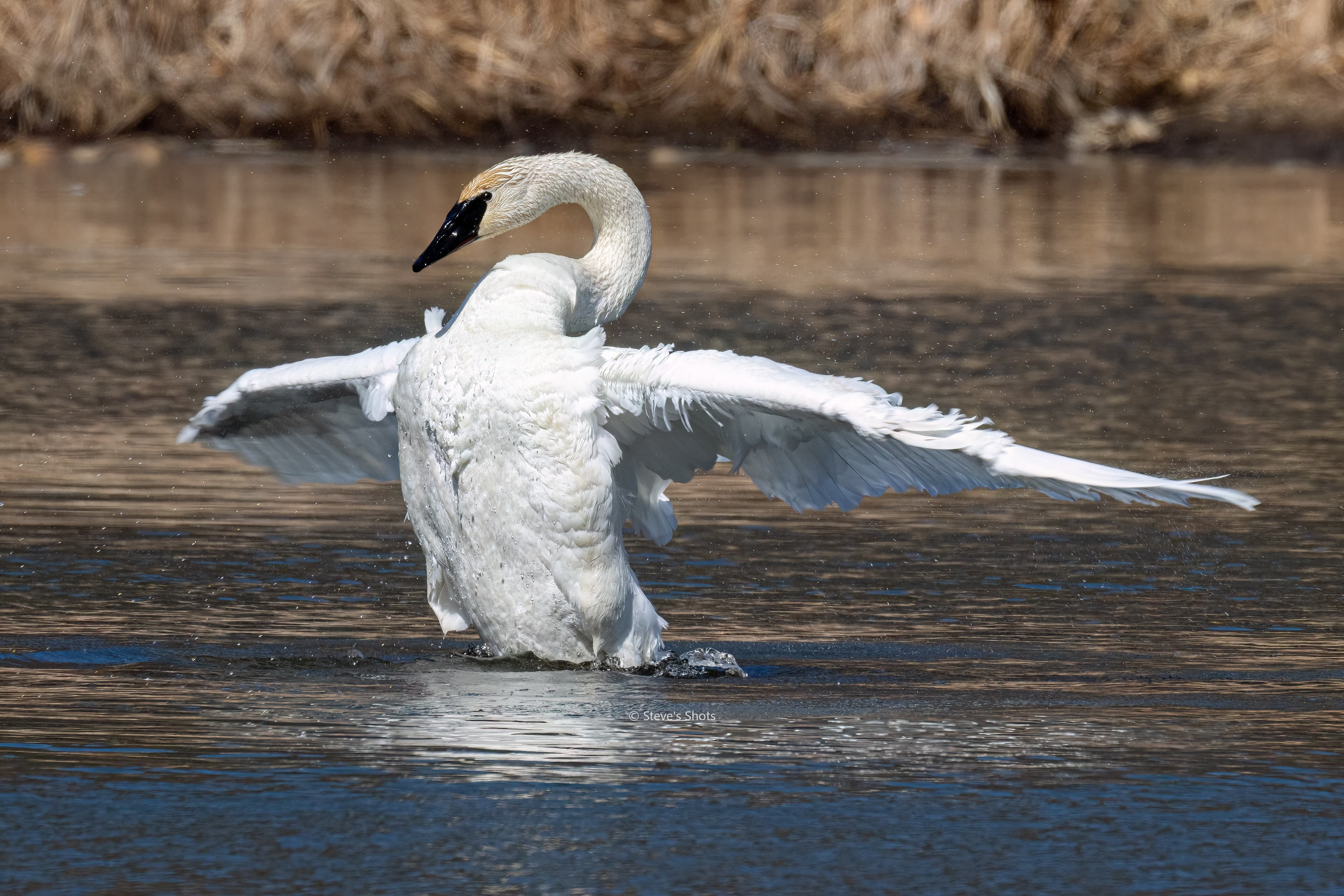
During the breeding season, when swans are forming or reinforcing their lifelong pair bonds, they engage in elaborate courtship rituals. One of the most visible is wing-spreading, where the male (or sometimes the female) raises and fans out the wings, often while facing the partner. This behavior is part of a broader set of displays that can include head-dipping dances, synchronized movements, and soft vocalizations
111